

Many people are envious of the artistic life. Specifically, being an artist is often viewed as a carefree existence — one with lots of time for the hungover brunch and the no-attendance office party.
The truth is that artists experience many role changes at once, which can be draining. Beyond this, they are constantly putting their thoughts into practice through personal creative expression and skill acquisition.
From highly emotional to emotionally disciplined, great artists seem to share role changes common in different cultures. In this article, we examine how artists experience role changes with different cultural considerations, how it impacts their practice, and what you can learn from them.
Artists Express Universal Emotion Through Their Works
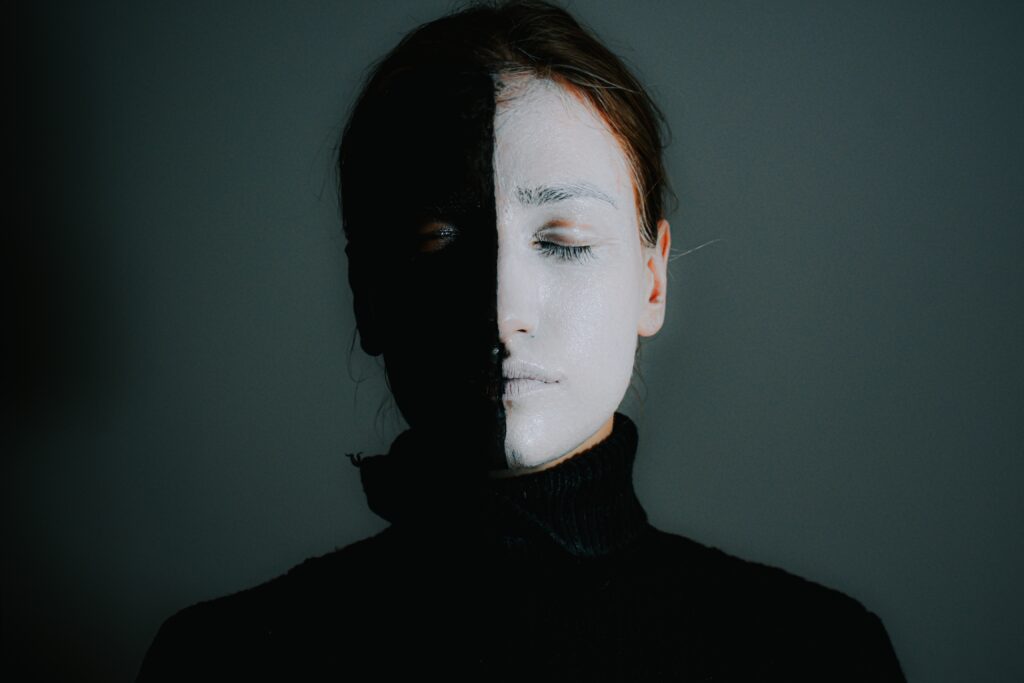
Artists express emotion through their works. However, they don’t always do it intentionally. Artists are just as sensitive to the world around them as they are to the colors and shapes they put on canvas. Sometimes, this sensitivity can be a burden because it requires an outlet of some sort. For many artists, that means incorporating their emotions into their art pieces.
Artists Are Responsible for Uncovering the Truth
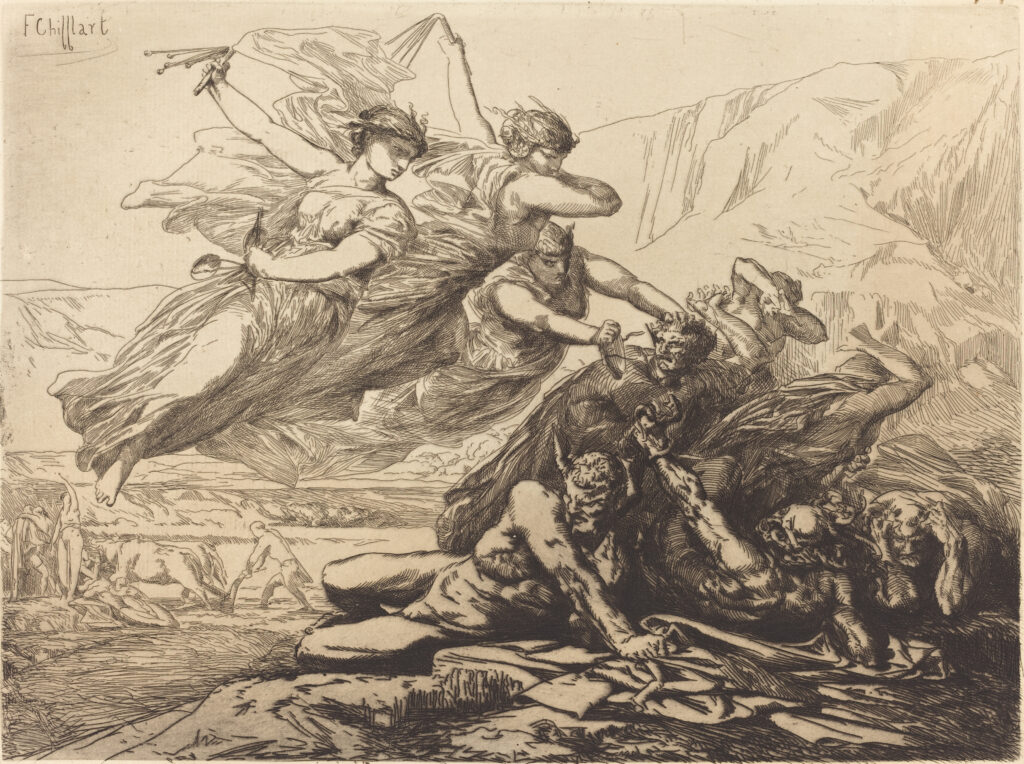
Art is how we make sense of reality. For thousands of years, artists have been breaking down barriers, facing challenges, and speaking the truth. The truth that artists uncover can help us see outside the veil of our reality and helps us recognize why there is a veil in the first place. Without artists, we would not be exposed to valuable information and insight.
Artist Brings Light to The Margins Of Society
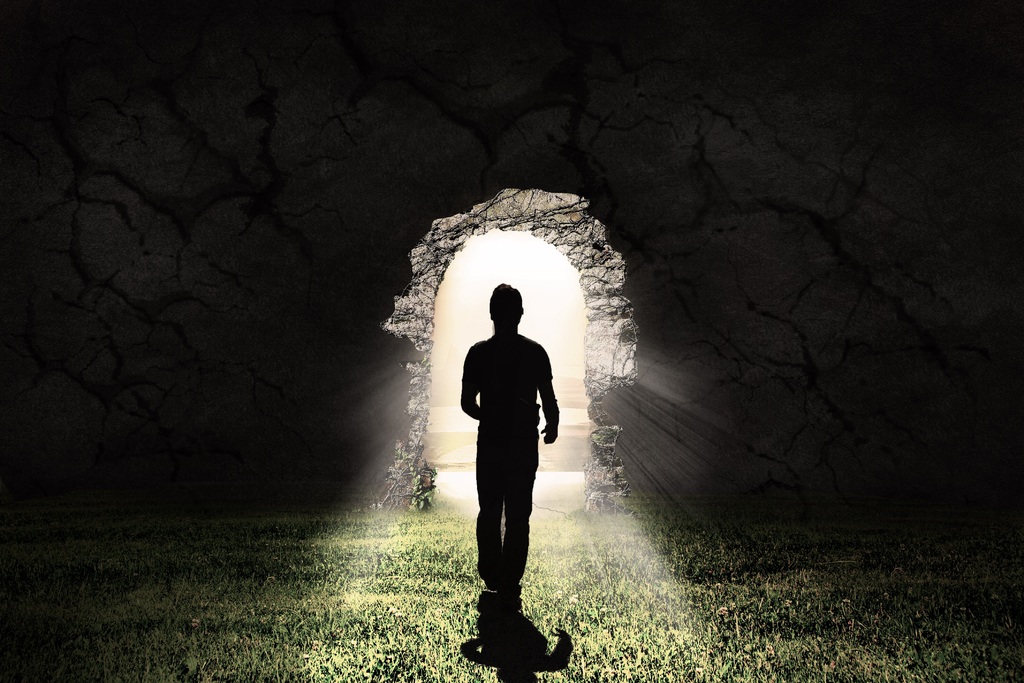
The desire to bring light to the corners of society is a theme that has haunted artists for centuries. Across time, it has been the unique ability of great artists to inspire and move their audience through the art they have developed – even if the subject of their brush or canvas is those who are usually forgotten or left in the dark by those in the mainstream.
Though the tools of art have evolved over time, the message has not. Some of history’s greatest artists have left a legacy of paintings and f that will continue to inspire generations of people well into the future.
They Are Storytellers and Keepers of Tradition
Artists are storytellers and keepers of tradition – they have been since time immemorial. They’re the ones who keep us up to date on what is going on in their community, and they are often employed by the municipality to create or preserve a distinctive culture. In fact, that is what delineates art from mere visual fancy. To make art is to craft living relics of the past, symbols that capture truths about the heritage and experience of a culture, or direct communication between individuals who share something important in common.
They’re the ones who paint a picture, create a melody, or write a word that reminds you of where you come from and where you’re going.
Artists Can Connect People From All Over the World
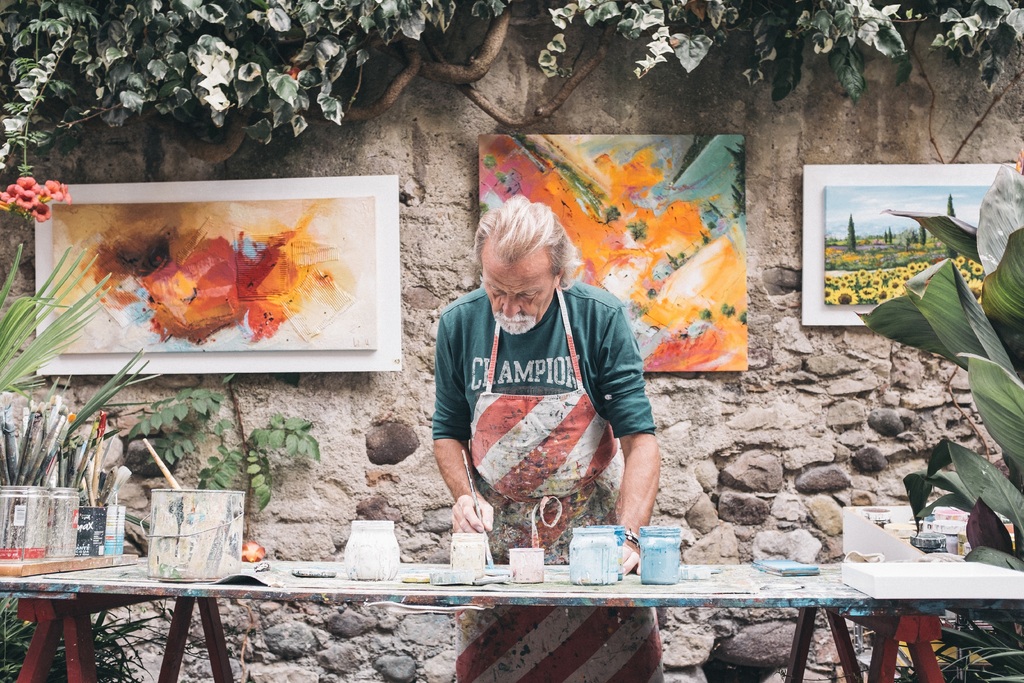
Artists have always had the power to do many things, but the most important thing they do is connect people. Not just to other people, but to emotions and experiences that bring about positive change in society. Other professions have influence, but artists can connect with a much grander scope — across borders, generations, and social status. They are able to move people from all over the world by inspiring them to create and enjoy art. This is a gift that artists have that others wish they had, and it’s a gift that nobody is exempt from.
Wrapping Up
While the role of the artist can be an isolated, self-centered one, it is a lifestyle that is based on collaboration — both with oneself and with others. Artists experience identity changes as they practice, evolve their creative process, and push for creative excellence or art perfection.
In short, an artist may mean different things to different people, but as an individual on a journey of self-discovery and personal expression, being an artist means so something to you. And that is the ultimate point of this blog post. Determining what being an artist means to you and all that it entails can be a life-changing experience. Don’t focus on the terms or labels; focus on what your art means to you (and who it’s bringing joy to)
0 comments on “How Artists Experience Role Changes With Different Cultural Considerations”